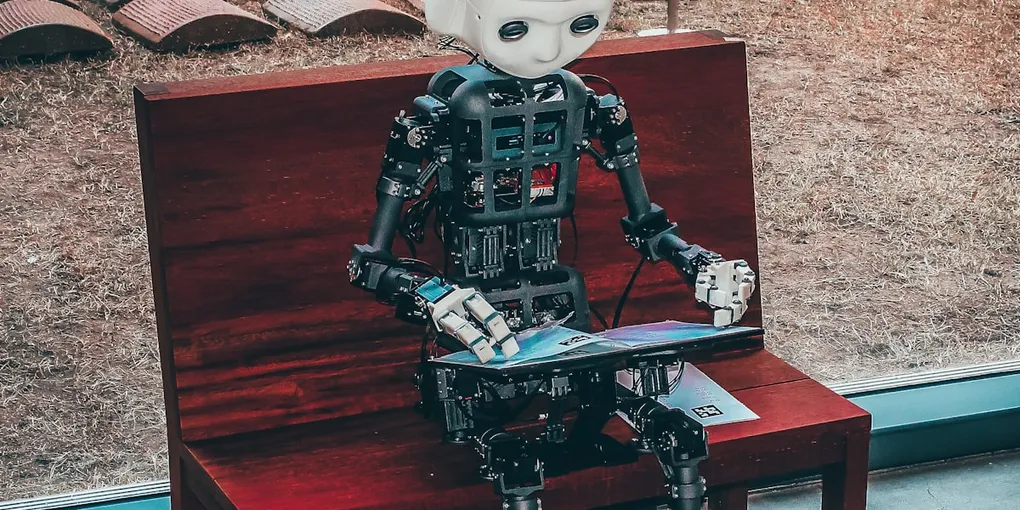
The Ethics of AI in Creative Content Creation
أخلاقيات الاستخدام الاصطناعي في إنشاء المحتوى الإبداعي
The integration of Artificial Intelligence (AI) in creative content creation has revolutionized the way we produce and consume media. AI-powered tools can generate stunning visuals, craft compelling stories, and even compose music. However, as AI becomes increasingly prevalent in the creative industry, it’s essential to consider the ethical implications of this technology.
One of the primary concerns is the potential for AI to replace human creatives. While AI can process vast amounts of data and generate content quickly, it lacks the emotional depth and nuance that human creators bring to a project. Moreover, the use of AI in creative content creation raises questions about authorship and ownership. Who owns the rights to AI-generated content? Is it the human who programmed the AI, or the AI itself?
Another concern is the potential for AI to perpetuate biases and stereotypes. If AI is trained on biased data, it will likely produce biased content. This can have serious consequences, particularly in the context of social media, where AI-generated content can spread quickly and reach a wide audience.
At Omar Creatives, we believe that AI should be used to augment human creativity, rather than replace it. Our team of experts works closely with clients to develop AI-powered solutions that enhance their creative vision, while ensuring that the final product is both ethical and responsible.
To mitigate the risks associated with AI in creative content creation, we recommend the following:
- Ensure that AI is trained on diverse and representative data sets
- Implement robust testing and evaluation protocols to detect biases and stereotypes
- Establish clear guidelines for authorship and ownership of AI-generated content
- Foster collaboration between human creatives and AI systems to produce content that is both innovative and responsible
By prioritizing ethics and responsibility in AI-powered creative content creation, we can unlock the full potential of this technology and create a brighter future for the creative industry.
تتزايد أهمية النظر في الآثار الأخلاقية لاستخدام الذكاء الاصطناعي في إنشاء المحتوى الإبداعي. فالأدوات التي تعمل بالذكاء الاصطناعي يمكنها توليد محتوى مرئيًا مبهرًا، وكتابة قصص مقنعة، و حتى تأليف الموسيقى. ومع ذلك، مع تزايد استخدام الذكاء الاصطناعي في الصناعة الإبداعية، من المهم النظر في الآثار الأخلاقية لهذه التكنولوجيا.
من بين المخاوف الرئيسية هو إمكانية أن يحل الذكاء الاصطناعي محل المبدعين البشر. بينما يمكن للذكاء الاصطناعي معالجة كميات هائلة من البيانات وتوليد المحتوى بسرعة، إلا أنه يفتقر إلى العمق العاطفي وال细ية التي يقدمها المبدعون البشر إلى المشروع. علاوه على ذلك، يثير استخدام الذكاء الاصطناعي في إنشاء المحتوى الإبداعي أسئلة حول الملكية والملكية. من يمتلك حقوق المحتوى الذي يولده الذكاء الاصطناعي؟ هل هو الشخص الذي قام ببرمجة الذكاء الاصطناعي، أو الذكاء الاصطناعي نفسه؟
خلال عملنا في عمر كريتيفز، نؤمن بأن الذكاء الاصطناعي يجب أن يستخدم لتعزيز الإبداع البشري، وليس لاستبداله. يعمل فريقنا من الخبراء بشكل وثيق مع العملاء لتطوير حلول تعمل بالذكاء الاصطناعي تعزز رؤيتهم الإبداعية، مع ضمان أن المنتج النهائي يكون أخلاقيًا ومسؤولًا.
للتغلب على المخاطر المرتبطة بالذكاء الاصطناعي في إنشاء المحتوى الإبداعي، نوصي بالآتي:
- ضمان تدريب الذكاء الاصطناعي على مجموعات بيانات متنوعة وممثلة
- تنفيذ بروتوكولات اختبار وتقييم قوية لاكتشاف الانحيازات والصور النمطية
- وضع إرشادات واضحة لملكية المحتوى الذي يولده الذكاء الاصطناعي
- تعزيز التعاون بين المبدعين البشر وأنظمة الذكاء الاصطناعي لإنتاج محتوى يكون متقدمًا ومسؤولًا
من خلال ให الأولوية للأخلاقيات والمسؤولية في إنشاء المحتوى الإبداعي الذي يعمل بالذكاء الاصطناعي، يمكننا解锁 الإمكانات الكاملة لهذه التكنولوجيا و创建 مستقبل أكثر إشراقًا للصناعة الإبداعية.
للمزيد من المعلومات حول كيف يمكننا مساعدتك في إنشاء محتوى إبداعي أخلاقي ومسؤول، يرجى الاتصال بنا على https://wa.me/201211867464