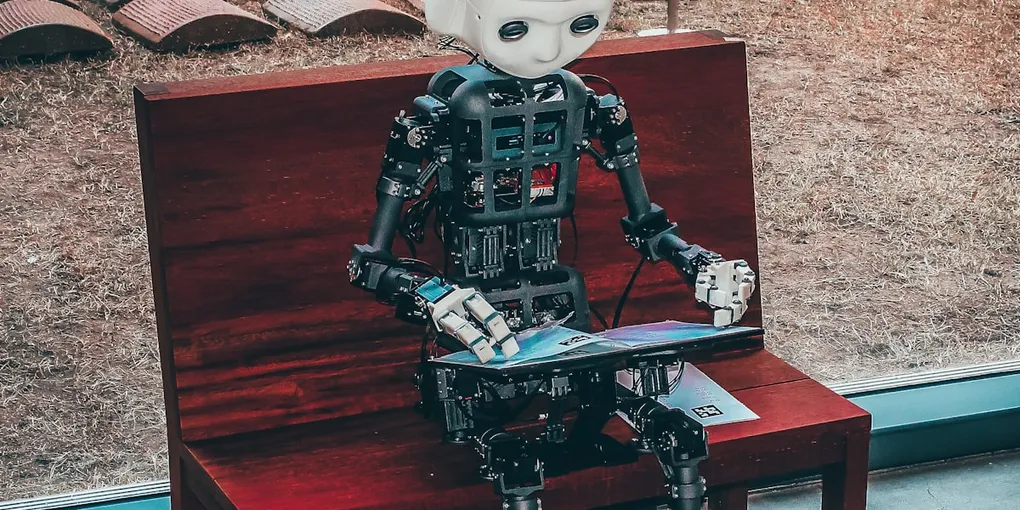
The Ethics of AI in Creative Content Creation
أخلاقيات الذكاء الاصطناعي في إنشاء المحتوى الإبداعي
The integration of Artificial Intelligence (AI) in creative content creation has revolutionized the way we produce and consume digital media. From generating music and videos to creating written content and designs, AI has become an indispensable tool for many creators. However, as AI-generated content becomes more prevalent, it’s essential to consider the ethical implications of this technology.
One of the primary concerns surrounding AI in creative content creation is the issue of authorship. When AI generates content, who owns the rights to that content? Is it the creator of the AI algorithm, the user who input the data, or the AI itself? This question raises important concerns about copyright and intellectual property.
Another ethical consideration is the potential for AI-generated content to be used for malicious purposes, such as spreading misinformation or creating deepfakes. As AI technology becomes more sophisticated, it’s becoming increasingly difficult to distinguish between real and fake content. This has significant implications for the media industry, where trust and credibility are essential.
In Egypt, where the digital media landscape is rapidly evolving, it’s crucial for creators and consumers to be aware of these ethical considerations. As a leader in AI and digital creative solutions, Omar Creatives is committed to promoting responsible and ethical use of AI in creative content creation.
To ensure that AI-generated content is used for the greater good, it’s essential to establish clear guidelines and regulations. This includes implementing measures to prevent the misuse of AI-generated content, such as requiring transparent labeling of AI-generated content and providing tools for detecting and mitigating deepfakes.
In conclusion, the ethics of AI in creative content creation are complex and multifaceted. As we move forward in this rapidly evolving landscape, it’s essential to prioritize transparency, accountability, and responsibility. By doing so, we can harness the power of AI to create innovative and engaging content that benefits society as a whole.
If you’re interested in learning more about how Omar Creatives can help you navigate the ethics of AI in creative content creation, contact us today to discuss your options.
مع تقدم تكنولوجيا الذكاء الاصطناعي، أصبحت القضايا الأخلاقية في إنشاء المحتوى الإبداعي أكثر أهمية. في مصر، حيث يتطور المشهد الإعلامي الرقمي بسرعة، من المهم أن يكون المبدعون والمستهلكون على دراية بهذه القضايا الأخلاقية.
من بين القضايا الرئيسية المحيطة بالذكاء الاصطناعي في إنشاء المحتوى الإبداعي هو вопрос الملكية الفكرية. عندما ينتج الذكاء الاصطناعي المحتوى، من يملك حقوق ذلك المحتوى؟ هل هو منشئ خوارزمية الذكاء الاصطناعي، أو المستخدم الذي أدخل البيانات، أو الذكاء الاصطناعي نفسه؟ هذه الأسئلة تثير قضايا importante حول حقوق التأليف والنشر والملكية الفكرية.
كما أن هناك اعتبارات أخلاقية أخرى هي إمكانية استخدام المحتوى المتجدد بالذكاء الاصطناعي لأغراض خبيثة، مثل نشر المعلومات الخاطئة أو إنشاء صور وهمية. مع تقدم تكنولوجيا الذكاء الاصطناعي، أصبح من الصعب التمييز بين المحتوى الحقيقي والمزيف. هذه لها آثار كبيرة على صناعة الإعلام، حيث الثقة والموثوقية أمرين أساسيين.
في عمر كرييتيفز، نحن ملتزمون بتعزيز الاستخدام المسؤول والأخلاقي للذكاء الاصطناعي في إنشاء المحتوى الإبداعي. لضمان أن يكون المحتوى المتجدد بالذكاء الاصطناعي يستخدم من أجل الخير الأكبر، من المهم وضع إرشادات ولوائح واضحة. هذا يشمل تنفيذ إجراءات لمنع إساءة استخدام المحتوى المتجدد بالذكاء الاصطناعي، مثل التسمية الشفافة للمحتوى المتجدد بالذكاء الاصطناعي وتوفير أدوات для الكشف والتخفيف من الصور الوهمية.
في الختام، قضايا أخلاقيات الذكاء الاصطناعي في إنشاء المحتوى الإبداعي معقدة ومتعددة الأوجه. مع تقدمنا في هذا المشهد المتطور بسرعة، من المهم أن نprioritize الشفافية والمسؤولية. من خلال القيام بذلك، يمكننا استخدام قوة الذكاء الاصطناعي لإنشاء محتوى مبتكر ومثير يفيد المجتمع ككل.
إذا كنت ترغب في معرفة المزيد عن كيف يمكن لشركة عمر كرييتيفز مساعدتك في التنقل في قضايا أخلاقيات الذكاء الاصطناعي في إنشاء المحتوى الإبداعي، اتصل بنا اليوم لمناقشة خياراتك.