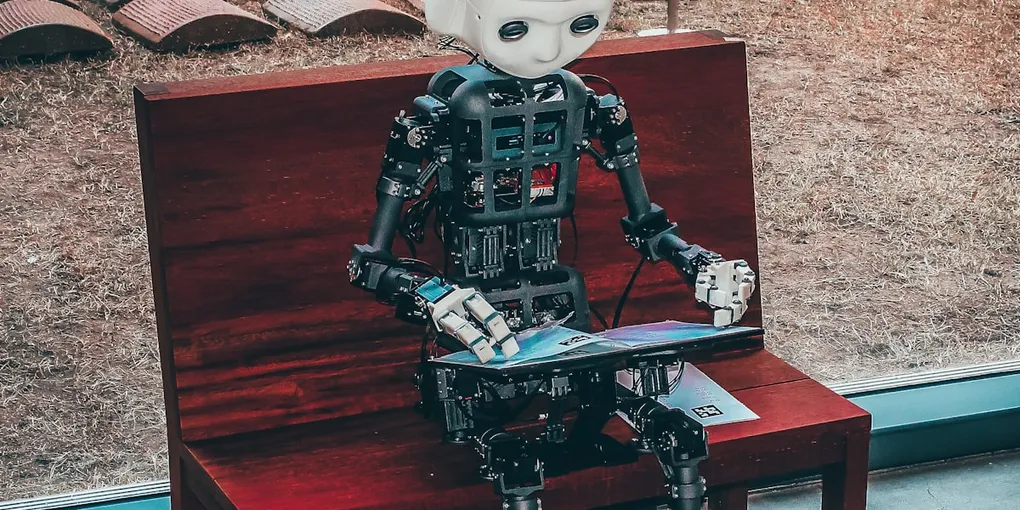
The Ethics of AI in Creative Content Creation
أخلاقيات الاستخدام الإبداعي للذكاء الاصطناعي في إنشاء المحتوى
The integration of Artificial Intelligence (AI) in creative content creation has sparked a heated debate about the ethics surrounding this technology. As AI-generated content becomes increasingly sophisticated, it raises important questions about authorship, ownership, and the potential consequences of relying on machines to produce creative work. In this blog post, we will delve into the ethical implications of AI in creative content creation and explore the role of Omar Creatives, a leading AI and digital creative agency in Cairo, in navigating these complex issues.
One of the primary concerns surrounding AI-generated content is the issue of authorship. When a machine creates a piece of content, who should be considered the author? Is it the person who programmed the AI, the AI itself, or someone else entirely? This question has significant implications for copyright law and the way we think about creative ownership. Omar Creatives, with its expertise in AI and digital creative solutions, is well-positioned to help clients navigate these complex issues and ensure that their AI-generated content is both innovative and ethically sound.
Another ethical consideration is the potential for AI-generated content to be used for malicious purposes, such as spreading misinformation or creating propaganda. As AI technology becomes more advanced, it is increasingly possible to create convincing but entirely fictional content, including videos, audio recordings, and written texts. This raises serious concerns about the potential for AI-generated content to be used to manipulate public opinion or influence political discourse. Omar Creatives is committed to using AI technology responsibly and only for positive, creative purposes.
In addition to these ethical concerns, there are also questions about the impact of AI on human creativity and employment. As machines become capable of producing high-quality creative content, there is a risk that human creatives will be replaced by automated systems. However, Omar Creatives believes that AI should be seen as a tool to augment human creativity, rather than replace it. By working together with AI systems, human creatives can focus on high-level creative decisions and strategy, while leaving more mundane tasks to the machines.
Finally, it is worth considering the cultural and social implications of AI-generated content. As AI technology becomes more ubiquitous, there is a risk that we will lose the unique perspectives and voices that human creatives bring to the table. Omar Creatives is committed to preserving the cultural heritage of Egypt and promoting the work of local creatives, while also embracing the innovative potential of AI technology.
In conclusion, the ethics of AI in creative content creation are complex and multifaceted. As a leading AI and digital creative agency in Cairo, Omar Creatives is dedicated to navigating these issues and promoting responsible, innovative, and creative uses of AI technology. If you are interested in learning more about how Omar Creatives can help you harness the power of AI for your business or organization, please don’t hesitate to reach out to us at https://wa.me/201211867464.
يطرح دمج الذكاء الاصطناعي في إنشاء المحتوى الإبداعي نقاشاً ساخناً حول الأخلاقيات المحيطة بتكنولوجيا الذكاء الاصطناعي. مع تصاعد المحتوى المولّد بواسطة الذكاء الاصطناعي في التعقيد، يطرح أسئلة هامة حول حقوق التأليف والنشر وآثار الاعتماد على الآلات لإنتاج العمل الإبداعي. في هذه المقالة، سنغوص في الآثار الأخلاقية للذكاء الاصطناعي في إنشاء المحتوى الإبداعي وستقوم عمر كريتيفز، وكالة رائدة في حلول الذكاء الاصطناعي والإبداع الرقمي في القاهرة، بتوجيه هذه القضايا المعقدة.
أحد المخاوف الرئيسية المحيطة بمحتوى الذكاء الاصطناعي هو مسألة حقوق التأليف. عندما يُنشئ الآلة قطعة من المحتوى، من يجب اعتباره المؤلف؟ هل هو الشخص الذي قام ببرمجة الذكاء الاصطناعي، أو الذكاء الاصطناعي نفسه، أو شخص آخر完全؟ تطرح هذه الأسئلة آثاراً كبيرة على قانون حقوق التأليف والنشر وطريقة تفكيرنا حول ملكية العمل الإبداعي. عمر كريتيفز، مع خبرتها في حلول الذكاء الاصطناعي والإبداع الرقمي، توفر للم klientين المساعدة في التنقل في هذه القضايا المعقدة وضمان أن يكون محتوى الذكاء الاصطناعي المولّد لديهم مُبتكراً وخاليًا من المشاكل الأخلاقية.
هناك أيضاً اعتبارات أخلاقية أخرى تتعلق بإمكانية استخدام محتوى الذكاء الاصطناعي لأغراض خبيثة، مثل نشر المعلومات الخاطئة أو إنشاء الدعاية. مع تقدم تكنولوجيا الذكاء الاصطناعي، أصبح من الممكن إنشاء محتوى مقنع لكن كاذب تماماً، بما في ذلك الفيديوهات والتسجيلات الصوتية والنصوص المكتوبة. يطرح هذا مخاوف جادة حول إمكانية استخدام محتوى الذكاء الاصطناعي لتضليل الرأي العام أو التأثير على الخطاب السياسي. تعتزم عمر كريتيفز استخدام تكنولوجيا الذكاء الاصطناعي بشكل مسؤول ولفوائد إيجابية فقط.
بالإضافة إلى هذه القضايا الأخلاقية، هناك أسئلة حول تأثير الذكاء الاصطناعي على الإبداع البشري وتوظيفه. مع khảية الآلات لإنتاج محتوى إبداعي عالي الجودة، هناك خطر أن يحل محله نظام آلي. ومع ذلك، تعتقد عمر كريتيفز أن الذكاء الاصطناعي يجب أن يُعتبر أداة لتعزيز الإبداع البشري وليس استبداله. من خلال العمل مع أنظمة الذكاء الاصطناعي، يمكن للمبدعين البشر التركيز على القرارات الإبداعية المتقدمة والإستراتيجية، في حين يترك المهام الروتينية للآلات.
أخيراً، يُعتبر من المفيد النظر في الآثار الثقافية والاجتماعية لمحتوى الذكاء الاصطناعي. مع انتشار تكنولوجيا الذكاء الاصطناعي، هناك خطر أن نخسر وجهات النظر الفريدة والأصوات التي يقدمها المبدعون البشر. تعتزم عمر كريتيفز الحفاظ على التراث الثقافي المصري وتعزيز عمل المبدعين المحليين، مع الحفاظ على الإمكانات المبتكرة لتكنولوجيا الذكاء الاصطناعي.
في الختام، فإن أخلاقيات الذكاء الاصطناعي في إنشاء المحتوى الإبداعي معقدة ومتعددة الأوجه. كوكالة رائدة في حلول الذكاء الاصطناعي والإبداع الرقمي في القاهرة، تعتزم عمر كريتيفز توجيه هذه القضايا وتعزيز الاستخدامات المبتكرة والمسؤولة لتكنولوجيا الذكاء الاصطناعي. إذا كنت مهتمًا بتعلم المزيد حول كيف يمكن لعمر كريتيفز مساعدتك في استغلال قوة الذكاء الاصطناعي لصالح أعمالك أو مؤسستك، يرجى عدم التردد في التواصل معنا على https://wa.me/201211867464.